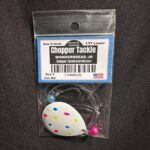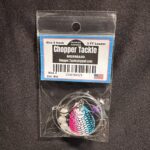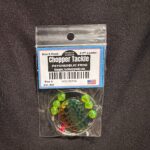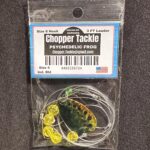
This page is where we delve into the art and science of keeping your fishing lures in prime condition for maximum effectiveness on the water. Whether you’re a seasoned angler or just starting, maintaining your lures is key to ensuring they perform optimally and continue to attract fish trip after trip.
In this guide, we’ll cover essential tips and techniques for cleaning, and storing. By following these maintenance practices, you’ll not only prolong the life of your lures but also improve your chances of landing that trophy catch.
So, let’s dive in and explore the world of lure maintenance together!
Dry and Clean Storage:
- After each use, make sure to thoroughly clean the fishing crawler harnesses with fresh water. Remove any dirt, debris, or fish scales that may have accumulated.
- Allow the harnesses to air dry completely before storing them. Moisture can lead to mold and mildew growth, which can damage the harnesses.
Inspect Before Storing:
- Before storing the harnesses for an extended period, inspect them for any signs of wear and tear, such as frayed lines or damaged components. Replace or repair any damaged parts to ensure optimal performance during your next fishing trip.
Inspect for Damage:
- After cleaning, inspect the entire harness carefully for any signs of damage or wear. Look for frayed lines, bent or damaged hooks, worn-out blades, or any other issues that may affect the performance of the harness.
Repair or Replace Components:
- If you find any damage during inspection, take the necessary steps to repair or replace the damaged components. Replace any worn-out hooks, blades, or swivels, and mend any frayed or damaged lines. This will ensure that the harness functions properly and maintains its effectiveness.
Dry Thoroughly:
- After cleaning and inspection, make sure the harness is completely dry before storing it. Moisture can lead to rust, mold, or mildew, which can damage the materials and affect the performance of the harness.
Consider Long-Term Storage:
- If you plan to store the harnesses for an extended period, consider using desiccants or moisture-absorbing packets in the storage containers to keep humidity levels low and prevent moisture-related issues.
Avoid Direct Sunlight and Heat:
- Store the harnesses in a cool, dry place away from direct sunlight. Prolonged exposure to sunlight and heat can degrade the materials, such as the lines and hooks, reducing their lifespan.
- Consider using storage containers or bags that offer UV protection if storing the harnesses in an area exposed to sunlight.
Organize and Separate:
- Keep your fishing crawler harnesses organized to prevent tangling and damage. Consider using tackle boxes or storage trays with compartments to separate individual harnesses.
- Store similar types or sizes of harnesses together to make it easier to find them when needed.
Protect Hooks and Blades:
- Use hook covers or protective sleeves to prevent hooks from snagging on other items or damaging the harnesses themselves.
- For harnesses with spinner blades, store them in a way that minimizes contact with other metal objects to prevent scratches and corrosion.
Label and Maintain Inventory:
- If you have multiple crawler harnesses of different sizes, colors, or configurations, label them or keep them organized in separate compartments. This will make it easier to find the specific harness you need for your next fishing trip.
- Label your storage containers or compartments to easily identify different types or sizes of fishing crawler harnesses.
- Regularly check your inventory to ensure you have an adequate supply of harnesses and replace any worn-out or outdated ones.
Maintain Regularly:
- Periodically check your crawler harnesses even when they are not in use. This helps you identify any potential issues early on and ensures that they are always ready for use when you need them.
Besides storing and maintaining crawler harnesses properly, there are several additional tips and techniques that anglers can use to enhance their fishing experience with crawler harnesses. Here are some good extra things that people should know and do with crawler harnesses:
Experiment with Colors and Sizes:
- Crawler harnesses come in various colors and sizes. Experiment with different color combinations and sizes to determine what works best for the fish species you are targeting and the fishing conditions you encounter.
Adjust Blade Styles:
- Crawler harnesses often come with different blade styles such as Colorado, Indiana, and Willow blades. Understand the characteristics of each blade style and adjust based on water clarity, depth, and fish activity. For example, Colorado blades provide more vibration and are effective in murky water, while Willow blades offer less resistance and work well in clear water.
Vary Retrieval Speed:
- Change your retrieval speed to entice fish. Sometimes a slow, steady retrieve works best, while other times a faster or erratic retrieve can trigger strikes. Pay attention to fish behavior and adjust your speed accordingly.
Use Scent Attractants:
- Apply scent attractants or dips to your crawler harnesses to add an enticing scent trail in the water. This can attract fish and increase your chances of getting bites, especially in situations where fish may be less active.
Combine with Live Bait:
- Pair your crawler harnesses with live bait such as nightcrawlers, minnows, or leeches for added attraction. Thread the live bait onto the hook of the harness to create a tempting presentation that fish find hard to resist.
By following these post-use tips, you can prolong the lifespan of your crawler harnesses, maintain their performance, and have a more enjoyable fishing experience.